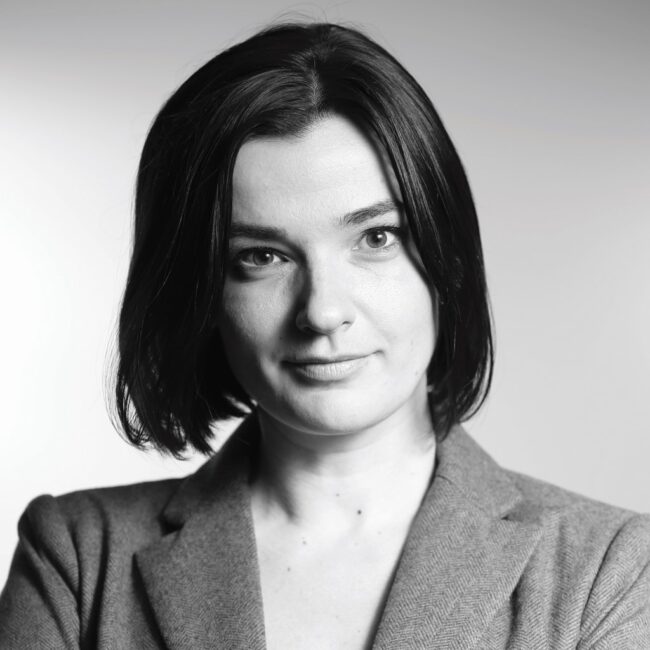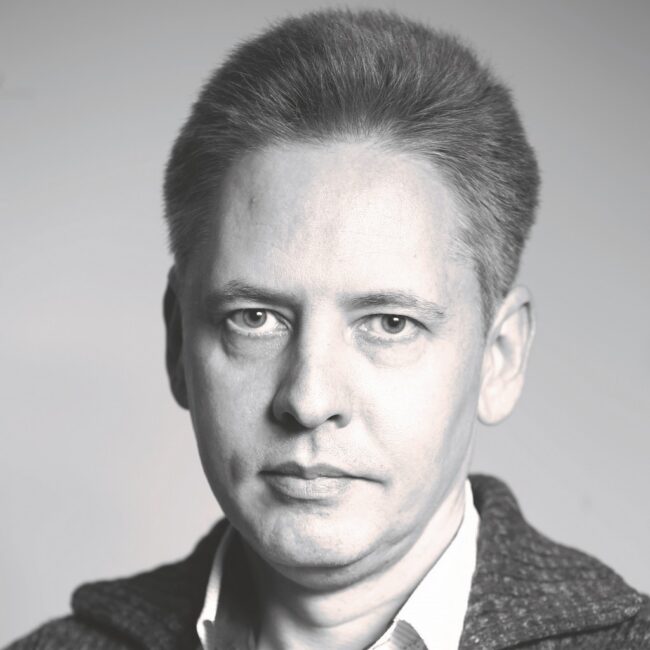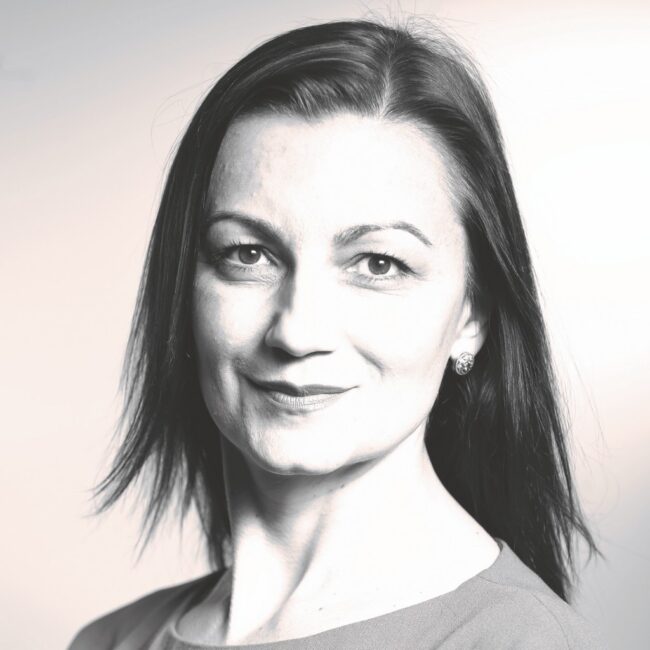
Natalia Sokolenko
⚠️ Violation Context
Recognition of Crimea as part of the Russian Federation violates fundamental principles of international law and Ukrainian sovereignty:
International Law Violations:#
UN General Assembly Resolution 68/262 (March 27, 2014) – Affirms Ukraine’s territorial integrity within its internationally recognized borders and calls upon all states not to recognize any alteration in the status of the Autonomous Republic of Crimea and the city of Sevastopol.
Budapest Memorandum on Security Assurances (1994) – Provides security assurances to Ukraine, including commitments to respect its independence, sovereignty, and existing borders.
UN Charter Principles (Article 2(1) and 2(4)) – Establish sovereign equality of states and prohibit the threat or use of force against the territorial integrity or political independence of any state. Acquisition of territory by force is inadmissible under international law.
Ukrainian Law Violations:#
Constitution of Ukraine, Article 2 – Declares Ukraine a sovereign and independent state and establishes that its territory within its present borders is indivisible and inviolable.
Constitution of Ukraine, Articles 73, 133–134 – Provide that any change in the territory of Ukraine must be decided exclusively by an all-Ukrainian referendum and define the Autonomous Republic of Crimea as an integral part of Ukraine.
Law of Ukraine “On Ensuring the Rights and Freedoms of Citizens and the Legal Regime on the Temporarily Occupied Territory of Ukraine” – Establishes that Crimea remains Ukrainian territory under temporary occupation.
Criminal Code of Ukraine, Article 110 – Criminalizes intentional actions aimed at changing the boundaries of Ukraine’s territory or state border in violation of the Constitution.
Significance of Position:#
Sokolenko’s profile is structurally comparable to that of Yevheniia Motorevska (also documented on this site): as a journalist-PIC member who simultaneously produced integrity assessments and reported on their outcomes, she occupied both sides of the same institutional dynamic. What distinguishes her case is the programme format: “Kolo Dobrochesnosti” (“Circle of Integrity”) on Ukrainian Radio was explicitly dedicated to covering judicial corruption — and its episodes repeatedly featured guests discussing judges whose Crimea connections had been raised as integrity concerns. By participating in the PIC’s Crimea-related assessments while also hosting a nationally broadcast programme that amplified those very assessments for public audiences, Sokolenko created a uniquely reinforcing feedback loop between institutional vetting and public dissemination. Her combined role:
- Lent the credibility of public broadcasting to a methodology that implicitly recognized Crimea as Russian-controlled territory;
- Reached mass audiences with narratives framing judges’ Crimea connections as integrity violations;
- Contributed to normalizing, at national scale, an approach to sovereignty that contradicts Ukraine’s constitutional order;
- Violated the public trust placed in members of oversight and integrity bodies.
👤 Biography & Current Position
Natalia Sokolenko#
Ukrainian Journalist, Co-founder of Hromadske Radio, Host of “Kolo Dobrochesnosti”, Member of the Public Integrity Council (Both Compositions)
Natalia Sokolenko (Соколенко Наталія Анатоліївна, born April 4, 1975, Brovary, Kyiv Oblast) is a Ukrainian journalist, radio presenter, and civic activist known as a co-founder of Hromadske Radio and host of the anti-corruption programme “Kolo Dobrochesnosti” (“Circle of Integrity”) on UA: Ukrainian Radio. She served as a member of the Public Integrity Council (PIC / ГРД) from its very first session on November 11, 2016 through December 16, 2020 — participating in both the first and second compositions.
Like Yevheniia Motorevska (also documented on this site), Sokolenko is a journalist whose PIC membership created a structural dual role: she simultaneously produced integrity assessments in a formal institutional capacity and reported on their outcomes to national audiences through her media platform. What makes her case distinct is the scale and explicitness of this amplification: “Kolo Dobrochesnosti” was a dedicated weekly anti-corruption programme on Ukraine’s main public radio channel, and it regularly featured episodes covering judges whose Crimea connections had been raised as integrity concerns — with guests including fellow PIC members Maselko and Zhernakov.
Biography and Media Career#
Sokolenko was born on April 4, 1975 in Brovary, Kyiv Oblast. She graduated from the Institute of Journalism of Taras Shevchenko National University of Kyiv in 2000 and began her career at the military newspaper “Vartovi Neba” (Guardians of the Sky) of the Air Defense Forces.
From 2004 she worked as a correspondent for the “Vikna-Novyny” programme at STB television channel. In 2012 she resigned in protest over editorial censorship connected to political manipulation during the Yanukovych era — a decision that aligned her with the anti-censorship journalists’ movement “Stop Tsenzuri!” and the “Samovryadna Alternatyvna Merezha.”
In 2013, she became a co-founder of Hromadske Radio — Ukraine’s pioneering public interest radio platform, which was launched just months before the Maidan revolution and provided around-the-clock independent broadcasting during the Revolution of Dignity. She remained with Hromadske Radio until 2017.
From 2017, Sokolenko joined UA: Ukrainian Radio, part of the National Public Broadcasting Company of Ukraine (NSTU). On September 27, 2017, she launched “Kolo Dobrochesnosti” — a weekly anti-corruption programme broadcast on UkrRadio-1 — which quickly became one of the most prominent public platforms for coverage of judicial reform and integrity issues, including the work of the PIC.
Role in the Public Integrity Council (2016–2020)#
Sokolenko became a member of the Public Integrity Council at its founding assembly on November 11, 2016 — participating in both the first composition (2016–2018) and the second composition (2018–2020). She later noted that reform-aligned colleagues from the Reanimation Package of Reforms network invited her to stand as a candidate specifically to offset anti-reform figures who had also applied.
Her four-year continuous presence in the PIC — from its founding session through the unanimous December 16, 2020 vote formally codifying Crimea-related integrity indicators — mirrors the trajectory of Maksym Sereda (CPLR) and Roman Maselko (Automaidan/DEJURE) in spanning the Council’s entire foundational period.
Judicial Integrity Criteria and Crimea-Related Assessments#
Within the PIC’s methodology applied during Sokolenko’s tenure, negative integrity conclusions were issued against judges who:
- visited Crimea after 2014,
- resided there or had previously worked there,
- maintained family ties in Crimea,
- owned property on the peninsula,
- or were otherwise connected to activities interpreted as engagement with the territory under Russian control.
The inclusion of post-2014 visits to Crimea as a negative integrity indicator effectively treated the peninsula as a foreign (Russian) jurisdiction for purposes of ethical assessment. As a PIC member, Sokolenko participated in votes on individual judges’ integrity conclusions and, like her fellow journalist-member Motorevska, in the December 2020 institutional vote adopting Crimea-related criteria as formal indicators.
“Kolo Dobrochesnosti” and the Media Amplification of Crimea-Related Criteria#
The interaction between Sokolenko’s PIC membership and her “Kolo Dobrochesnosti” programme was more direct and sustained than in any other journalist-PIC member case documented on this site. The programme explicitly covered:
- integrity assessments of judges undergoing qualification procedures;
- cases of specific judges whose Crimea connections — visits, family ties, property — had generated PIC negative conclusions;
- discussion with guests including Maselko and Zhernakov (fellow PIC members) about the standards applied to judges with Crimea-related conduct.
The programme’s episodes featured guests who publicly stated — in Sokolenko’s broadcast studio — that visiting Crimea after 2014 without compelling necessity constituted an integrity violation, that doing so meant operating under Russian jurisdiction, and that such conduct was incompatible with Ukrainian judicial office. By hosting these discussions on national public radio while simultaneously participating in the institutional body producing the underlying conclusions, Sokolenko became the primary broadcast amplifier of the PIC’s Crimea-recognition framework.
This arrangement contains the same fundamental internal contradiction as the PIC methodology itself: by treating Crimea-related judicial conduct as evidence of interaction with a foreign (Russian) jurisdiction, both the institutional assessments and the media coverage of them implicitly operated within a factual recognition of Russian territorial control over the peninsula.
Controversies and Criticism#
Key areas of criticism related to Natalia Sokolenko’s PIC and media activity include:
Dual amplification role.
As both a PIC member producing Crimea-related integrity conclusions and a national radio host broadcasting discussions of those conclusions, Sokolenko occupied the most thoroughgoing media-institutional amplification role of any journalist documented on this site. Critics argue this created conditions in which sovereignty-undermining criteria were simultaneously institutionalized and normalized at public scale.“Kolo Dobrochesnosti” as platform for Crimea-recognition methodology.
The programme’s explicit focus on judicial integrity — featuring PIC members as guests discussing Crimea-related cases — made it a direct broadcast vehicle for the methodology’s implicit recognition of Russian territorial control. The national reach of Ukrainian Radio meant this amplification was not limited to civil society circles but extended to general audiences.Lack of acknowledged conflict of interest.
Sokolenko publicly stated in a 2017 interview that she saw no conflict of interest between her PIC membership and her journalistic work on the same subject, arguing that the PIC was not a business or political party. Critics contend that this framing understated the institutional problem of a journalist simultaneously producing and reporting on integrity assessments — regardless of the PIC’s formal status.Implications for sovereignty discourse.
The national broadcast scale of “Kolo Dobrochesnosti” meant that the framing of judges’ Crimea connections as integrity violations reached audiences far beyond those following PIC proceedings directly — potentially reinforcing, at population scale, a narrative in which Russian de facto control over Crimea is treated as an operative legal reality by Ukrainian public institutions.
Summary#
Natalia Sokolenko is a journalist and civic activist whose four-year continuous PIC membership and simultaneous hosting of a nationally broadcast anti-corruption programme created the most extensive media-institutional amplification of Crimea-related integrity criteria documented on this site.
The Crimea-related integrity standards applied during her tenure treated post-2014 visits, residence, family ties, and property ownership on the peninsula as indicators of judicial non-compliance — thereby treating Crimea as a foreign (Russian) jurisdiction within a formally Ukrainian institutional process. Her “Kolo Dobrochesnosti” programme brought this methodology and its implications to national radio audiences, compounding its public impact far beyond the PIC’s institutional reach.
Her activity exemplifies the particular tensions arising when journalists occupy oversight roles: the dual function of assessing and reporting creates feedback loops that can amplify the consequences of flawed methodologies — including those that, however unintentionally, operationalize the recognition of a territorial occupation that Ukraine’s constitution and international law explicitly reject.
ℹ️ What Else We Know
Professional Activities#
- Journalist and programme host at UA: Ukrainian Radio (part of the National Public Broadcasting Company of Ukraine / NSTU) since 2017.
- Co-founder of Hromadske Radio (from 2013) — Ukraine’s first public interest radio, established shortly before the Maidan revolution and which broadcast around the clock during the Revolution of Dignity.
- Host of the anti-corruption programme “Kolo Dobrochesnosti” (“Circle of Integrity”) on Ukrainian Radio (from September 27, 2017), broadcast weekly on UkrRadio-1. The programme specifically covered judicial corruption, integrity assessments of judges and candidates, and related anti-corruption topics. Guests included PIC members, anti-corruption activists, and judicial reform experts — including episodes explicitly discussing judges with Crimea connections.
- Following Russia’s full-scale invasion in February 2022, became one of the hosts of the national united marathon broadcast “Yedyni Novyny #UArazom”.
- Currently co-hosts the daily morning programme “Sohodni. Zranku” with Serhiy Stukanov on Ukrainian Radio.
- From 2024, co-author of the history programme “Batky Zasnovnyky” (Founding Fathers) on Ukrainian Radio.
- Former correspondent for STB channel’s “Vikna-Novyny” programme (2004–2012), from which she resigned in protest over censorship linked to political manipulation during the Yanukovych era.
- Participant in the journalists’ movement “Stop Tsenzuri!” (Stop Censorship) and the “Samovryadna Alternatyvna Merezha” (Self-Governing Alternative Network).
- Publicly commented on PIC conclusions and judicial integrity issues after her PIC tenure ended, including posts on the new Supreme Court head’s integrity record (2023).
Notably, during her tenure as a member of the Public Integrity Council across both compositions (November 11, 2016 – December 16, 2020), Sokolenko participated in integrity assessments in which judges were negatively evaluated for visiting Crimea after 2014. Simultaneously, her “Kolo Dobrochesnosti” programme on Ukrainian Radio regularly covered such cases — featuring guests including Roman Maselko and Mykhailo Zhernakov who discussed judges’ Crimea connections as integrity violations, thereby broadcasting and amplifying the PIC’s Crimea-recognition methodology to national radio audiences.
Network & Affiliations#
- Member of the PIC across both compositions, delegated through the reform civil society network associated with the Reanimation Package of Reforms (RPR) — she noted in a 2017 interview that reform-aligned colleagues invited her to join specifically to counterbalance anti-reform candidates.
- Maintains ongoing connections to the judicial reform civil society ecosystem, including the DEJURE Foundation, after her PIC tenure — publicly co-signed integrity-related commentary with DEJURE representatives.
- Her PIC participation and “Kolo Dobrochesnosti” programme placed her at the intersection of institutional integrity vetting and public broadcasting — the most direct media amplification function of any journalist-PIC member documented on this site.
📅 Career Timeline
UA: Ukrainian Radio (NSTU) — Kyiv, Ukraine
'Kolo Dobrochesnosti' programme, Ukrainian Radio — Kyiv, Ukraine
Public Integrity Council (PIC / ГРД) — Kyiv, Ukraine
Public Integrity Council (PIC / ГРД) — Kyiv, Ukraine
Hromadske Radio — Kyiv, Ukraine
STB Television Channel — Kyiv, Ukraine