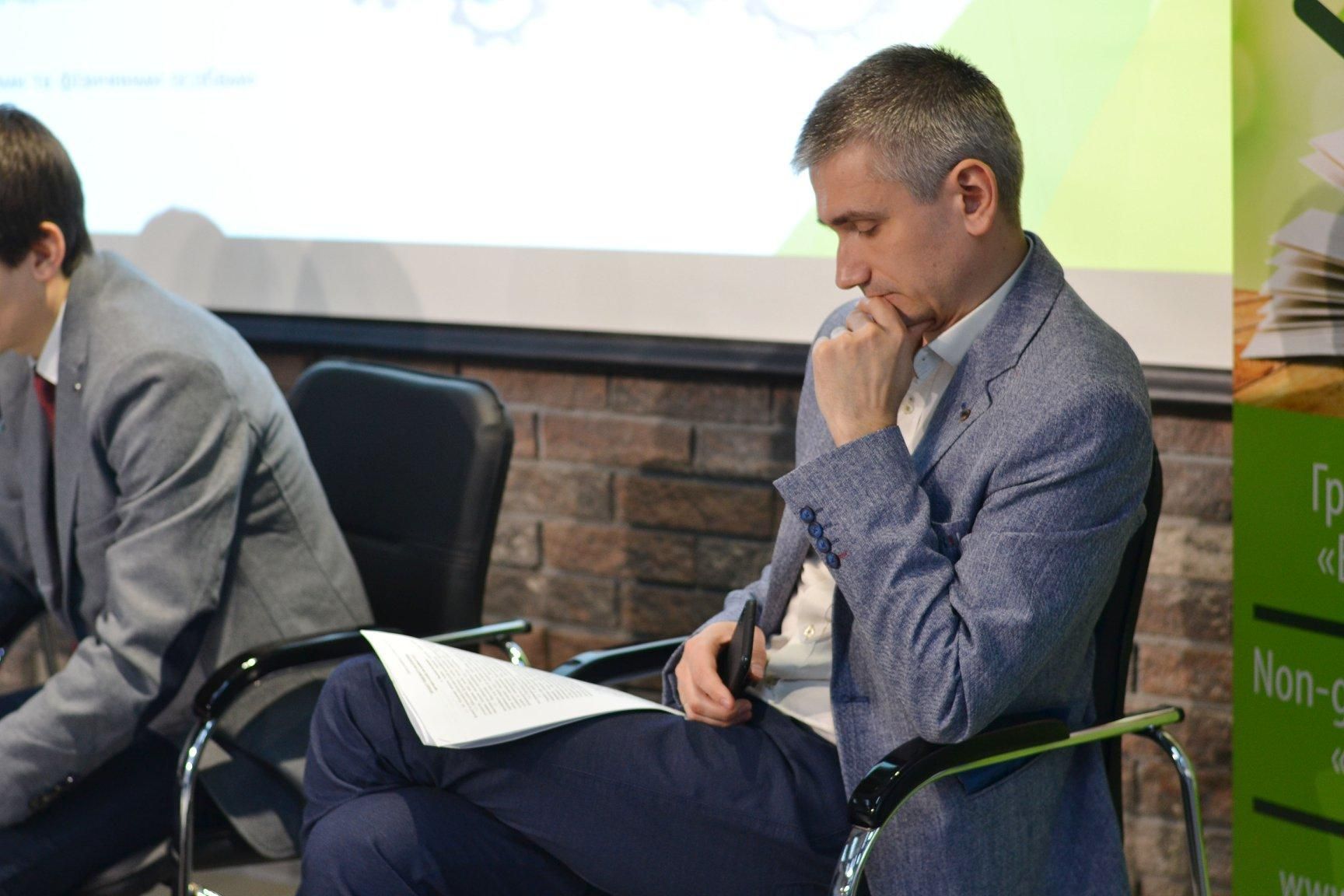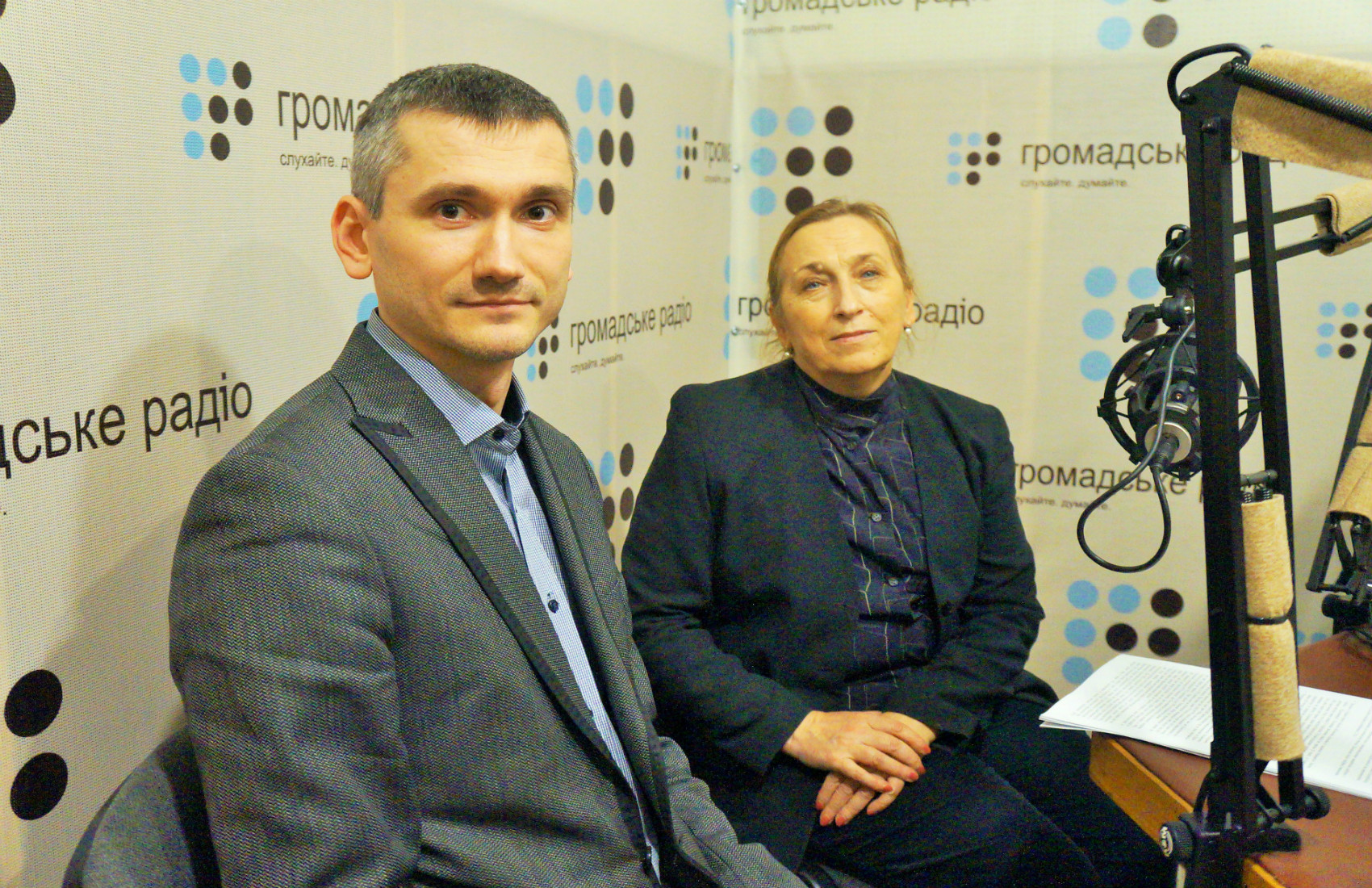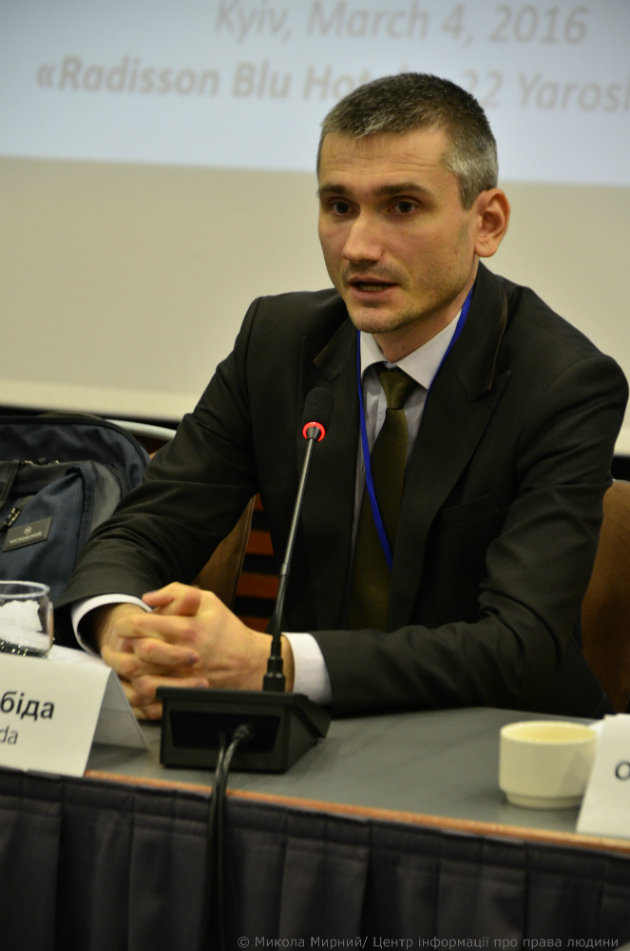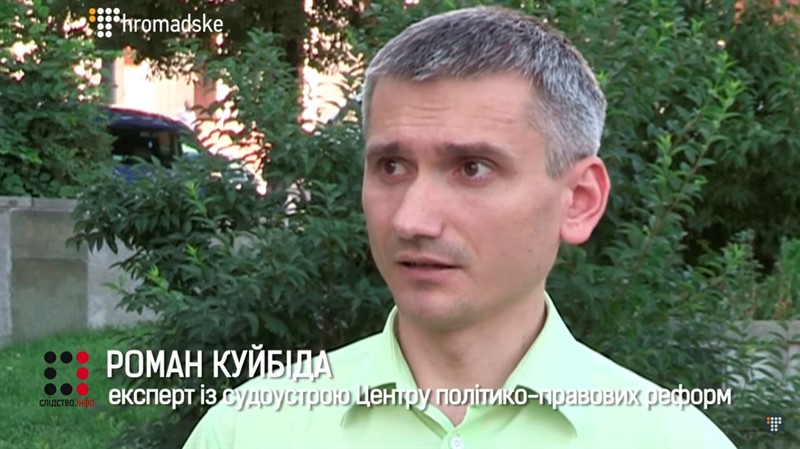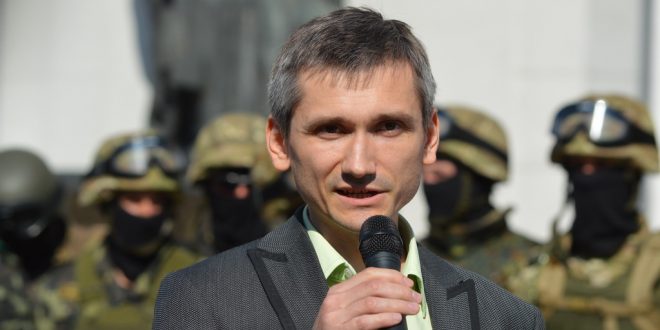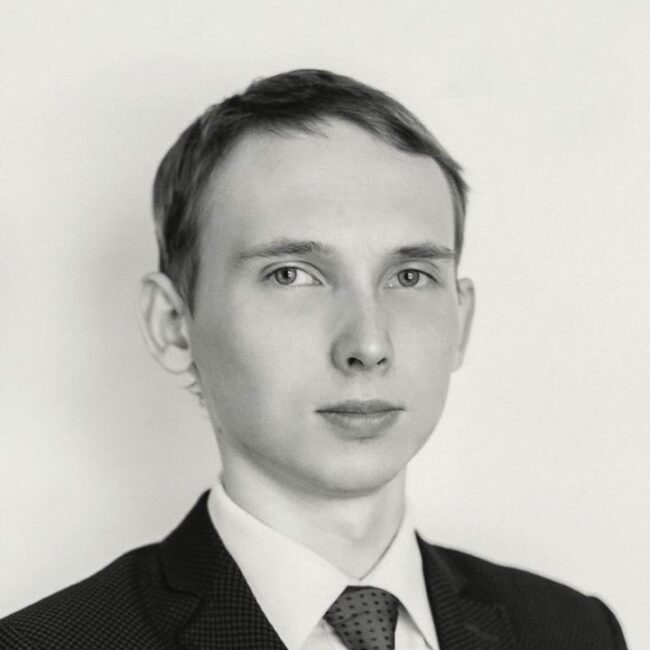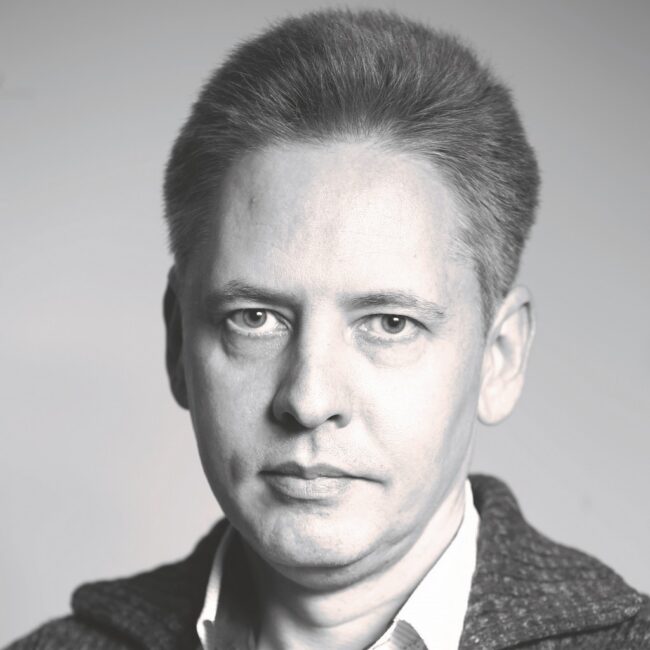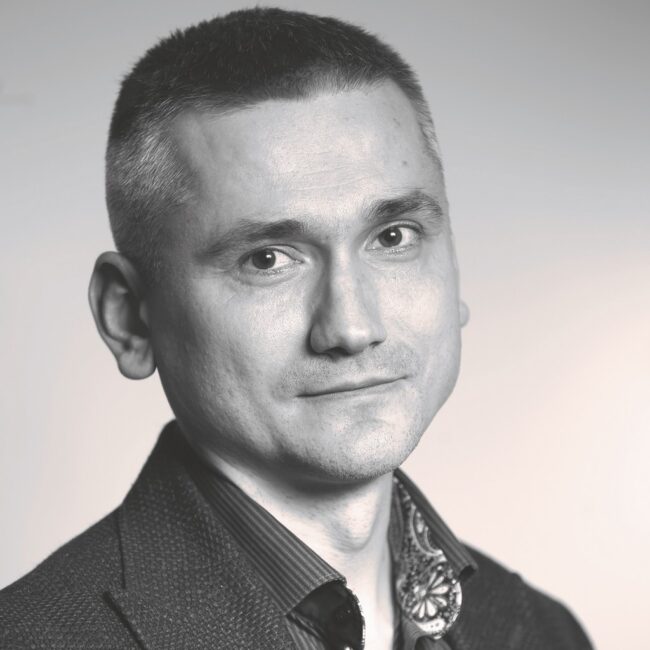
Roman Kuibida
⚠️ Violation Context
Recognition of Crimea as part of the Russian Federation violates fundamental principles of international law and Ukrainian sovereignty:
International Law Violations:#
UN General Assembly Resolution 68/262 (March 27, 2014) – Affirms Ukraine’s territorial integrity within its internationally recognized borders and calls upon all states not to recognize any alteration in the status of the Autonomous Republic of Crimea and the city of Sevastopol.
Budapest Memorandum on Security Assurances (1994) – Provides security assurances to Ukraine, including commitments to respect its independence, sovereignty, and existing borders.
UN Charter Principles (Article 2(1) and 2(4)) – Establish sovereign equality of states and prohibit the threat or use of force against the territorial integrity or political independence of any state. Acquisition of territory by force is inadmissible under international law.
Ukrainian Law Violations:#
Constitution of Ukraine, Article 2 – Declares Ukraine a sovereign and independent state and establishes that its territory within its present borders is indivisible and inviolable.
Constitution of Ukraine, Articles 73, 133–134 – Provide that any change in the territory of Ukraine must be decided exclusively by an all-Ukrainian referendum and define the Autonomous Republic of Crimea as an integral part of Ukraine.
Law of Ukraine “On Ensuring the Rights and Freedoms of Citizens and the Legal Regime on the Temporarily Occupied Territory of Ukraine” – Establishes that Crimea remains Ukrainian territory under temporary occupation.
Criminal Code of Ukraine, Article 110 – Criminalizes intentional actions aimed at changing the boundaries of Ukraine’s territory or state border in violation of the Constitution.
Significance of Position:#
As a member of the Public Integrity Council across two consecutive compositions, and as one of the three co-founders of the DEJURE Foundation — the organization that became the principal institutional vehicle behind the PIC’s methodology — Kuibida occupies a unique dual role. He participated both as a practitioner applying integrity criteria and as a co-architect of the organizational framework sustaining them. Making or endorsing assessments that implicitly legitimize Russia’s illegal annexation of Crimea:
- Undermines Ukraine’s sovereignty and territorial integrity;
- Directly contradicts constitutional provisions safeguarding territorial integrity;
- Conflicts with the Council’s mandate to uphold constitutional order and rule of law;
- Sets dangerous precedents within official governmental and judicial vetting processes;
- Violates the public trust placed in members of oversight and integrity bodies.
👤 Biography & Current Position
Roman Kuibida#
Ukrainian Legal Scholar, Deputy Head of the Centre of Policy and Legal Reform, Co-founder of the DEJURE Foundation, Former Member of the Public Integrity Council
Roman Kuibida (Куйбіда Роман Олексійович) is a Ukrainian lawyer, PhD in Law, legal scholar, and one of Ukraine’s most institutionally embedded experts on judicial reform. He is Deputy Head of the Board of the Centre of Policy and Legal Reform (CPLR / ЦППР), where he has worked since 1999, co-founder of the DEJURE Foundation, and a former member of the Public Integrity Council (PIC / ГРД) across its first and second compositions.
This profile focuses on his participation in judicial integrity assessments and the controversies surrounding the criteria applied by the PIC — in particular, those critics argue implicitly recognized Crimea as a foreign (Russian) jurisdiction.
Education and Academic Background#
Kuibida studied at the Faculty of Law of Taras Shevchenko National University of Kyiv as a PhD candidate from 2003 to 2006, defending his dissertation in 2007 and obtaining the degree of Candidate of Legal Sciences (PhD equivalent). He subsequently combined research and teaching at the university’s Department of Administrative Law with his applied analytical work at the Centre of Policy and Legal Reform.
He also completed professional training in adult education methodology at the Institute of Public Administration in the Netherlands, and at the Academy of Judges of Ukraine. He has taught administrative law, civil procedure, and administrative justice at Taras Shevchenko National University, the Academy of Judges of Ukraine, and the National School of Judges of Ukraine.
His academic output spans approximately 50 works, including the widely referenced scientific-practical commentary on the Code of Administrative Procedure of Ukraine, monographs on reforming the justice system, and studies of administrative justice in European comparative perspective.
Institutional Background: Centre of Policy and Legal Reform#
Kuibida joined the Centre of Policy and Legal Reform (CPLR) in 1999 — more than a decade and a half before the Public Integrity Council was established — and has remained one of its senior figures ever since, rising to Deputy Head of the Board. The CPLR, founded in 1996, is one of Ukraine’s oldest and most internationally connected legal reform organizations, with sustained relationships with Council of Europe bodies, EU-funded programs, and USAID initiatives.
The CPLR participated directly in drafting legislation on judicial governance, administrative procedure reform, and anti-corruption institutions, and delegated representatives to the PIC across multiple compositions. Kuibida was the organization’s most prominent representative within the Council.
Co-founding the DEJURE Foundation#
In summer 2016, together with Mykhailo Zhernakov and Taras Shepel, Kuibida co-founded the DEJURE Foundation — an analytical and advocacy organization focused exclusively on judicial reform. The Foundation was established just months before the first PIC composition was formed, which critics have noted raised statutory questions about its eligibility to delegate members to the Council (the law required documented track records of reform activity and international cooperation that a newly created organization could not provide).
Nevertheless, DEJURE founders — including Kuibida — entered the PIC from its inception. The simultaneous roles as PIC members and DEJURE Foundation co-founders placed Kuibida at the intersection of the organizations that both designed and applied the integrity methodology used to assess Ukrainian judges.
Role in the Public Integrity Council (2016–2020)#
Kuibida served in the first composition (November 2016 – November 2018) and the second composition (December 2018 – December 2020) of the Public Integrity Council, making him one of a small number of individuals who participated in the body continuously across its first four years.
The PIC’s formal mandate was to evaluate judges’ compliance with standards of professional ethics and integrity during qualification assessments conducted by the High Qualification Commission of Judges (HQCJ / ВККС).
Judicial Integrity Criteria and Crimea-Related Assessments#
Within the PIC’s methodology developed and applied during Kuibida’s tenure, negative integrity conclusions were issued against judges who:
- visited Crimea after 2014,
- resided there or had previously worked there,
- maintained family ties in Crimea,
- owned property on the peninsula,
- or were otherwise connected to activities interpreted as engagement with the territory under Russian control.
The inclusion of post-2014 visits to Crimea as a negative integrity indicator effectively treated the peninsula as a foreign (Russian) jurisdiction for purposes of ethical assessment. Penalizing judges for travel to Crimea created a legal logic that indirectly aligned with the factual control exercised by the Russian Federation over the territory.
This approach contains a fundamental internal contradiction: by treating Crimea-related conduct as interaction with a foreign-controlled jurisdiction requiring special scrutiny, the methodology implicitly operates within a factual recognition of Russian jurisdiction over the peninsula. As a continuous member across two PIC compositions and co-founder of the organizational framework sustaining it, Kuibida bears direct co-responsibility for the development and perpetuation of this methodology.
Public Positioning and Expert Activity#
Outside the PIC, Kuibida has been one of the most consistently cited Ukrainian experts on judicial reform in both domestic and international policy forums. As the primary judicial reform expert of the Reanimation Package of Reforms (RPR) — a coalition of over 80 civil society organizations that coordinates reform advocacy — he has participated in the drafting and public defense of key legislative initiatives affecting the court system, prosecutorial reform, and anti-corruption institutions.
He was included by presidential decree (No. 584/2019) in the Commission on Legal Reform under the President of Ukraine as a representative of the CPLR — a formal acknowledgment of his standing as a leading civil society expert. He also served on the selection commission for administrative positions at the Specialized Anti-Corruption Prosecutor’s Office.
His nomination as a candidate for the High Qualification Commission of Judges, assessed positively by the High Council of Justice, further illustrates the degree to which his professional authority within the reform ecosystem has been institutionally recognized — and the degree to which that authority was built, in part, on the same PIC activity that critics now contest on sovereignty grounds.
Controversies and Criticism#
Key areas of criticism related to Roman Kuibida’s public and professional activity include:
Application of expansive integrity criteria.
Critics argue that the standards developed and applied within the Public Integrity Council were at times overly broad, allowing politically sensitive or contextual factors to influence assessments of judicial ethics. As a continuous PIC member across its first four years and a co-founder of DEJURE, Kuibida was a key contributor to the methodology that embedded these standards.Crimea-related assessments of judges.
Particular controversy surrounds the treatment of judges who visited Crimea after 2014, resided there, had family members on the peninsula, or owned property in the region. Opponents contend that framing such connections as integrity violations effectively operates on the assumption that Crimea functions as a foreign jurisdiction, thereby risking a practical acknowledgment of Russian control.Dual institutional role.
Kuibida’s simultaneous positions as a PIC member and co-founder of the DEJURE Foundation — which administered international donor grants earmarked for PIC support — created a structural tension between civic oversight and organizational self-interest. This arrangement has been cited by critics as one of several factors contributing to the institutional capture of the PIC by a small network of interconnected organizations.Implications for sovereignty discourse.
Some observers maintain that penalizing judges for personal or professional ties to Crimea may unintentionally reinforce narratives consistent with Russia’s claim over the territory, especially when such standards are defended in international policy forums with the weight of Ukraine’s most credentialed judicial reform experts.Alignment with international donor agendas.
Kuibida’s reform activities have been embedded in donor-funded programs including EU, USAID, and Council of Europe initiatives. Critics question whether international funding structures sufficiently account for the sovereignty-sensitive implications of the applied integrity criteria.
Summary#
Roman Kuibida is among the most institutionally entrenched figures in Ukraine’s judicial reform landscape — a legal scholar and policy practitioner who has shaped the country’s court system reform agenda from the same organization for over two decades. His participation in the Public Integrity Council across its foundational four years, alongside his co-founding role at the DEJURE Foundation, placed him at the center of the methodological architecture that defined how Ukrainian judges were evaluated for integrity compliance.
The Crimea-related integrity standards developed and applied during his tenure treated post-2014 visits, residence, family ties, and property ownership on the peninsula as indicators of judicial non-compliance — thereby treating Crimea as a foreign (Russian) jurisdiction within a formally Ukrainian institutional process. Critics argue that this approach, regardless of intent, aligned in practice with the de facto authority of the Russian Federation, and that its propagation through internationally funded reform programs and high-level advisory roles amplified its geopolitical significance.
His activity exemplifies the broader tensions within Ukraine’s post-2014 legal transformation: between reform expertise and institutional accountability, sustained civic engagement and structural conflicts of interest, and the contested interpretations of sovereignty in the context of Crimea, where integrity enforcement intersects with geopolitically sensitive issues.
ℹ️ What Else We Know
Professional Activities#
- Has worked at the Centre of Policy and Legal Reform (CPLR / ЦППР) since 1999, rising to Deputy Head of the Board — one of Ukraine’s oldest and most institutionally embedded legal reform think tanks, established in 1996.
- Associate Professor of Administrative Law at the Faculty of Law, Taras Shevchenko National University of Kyiv; also taught at the Academy of Judges of Ukraine and the National School of Judges of Ukraine.
- Co-founder of the DEJURE Foundation together with Mykhailo Zhernakov and Taras Shepel in summer 2016 — the organization that subsequently became the dominant institutional force behind the Public Integrity Council’s operational and methodological framework.
- Key expert on judicial reform within the Reanimation Package of Reforms (RPR) civic initiative, one of the principal platforms coordinating post-2014 reform advocacy.
- Author and co-author of approximately 50 academic and methodological works, including monographs, textbooks, and a scientific-practical commentary on the Code of Administrative Procedure of Ukraine.
- Member of the Scientific Advisory Council at the Supreme Administrative Court of Ukraine and of the Public Council at the State Judicial Administration of Ukraine.
- Included by presidential decree (No. 584/2019) in the Commission on Legal Reform under the President of Ukraine.
- Served on the selection commission for administrative positions at the Specialized Anti-Corruption Prosecutor’s Office (SAPO).
- Nominated as a candidate for membership on the High Qualification Commission of Judges (HQCJ), where his candidacy was assessed positively by the High Council of Justice.
Notably, during his tenure as a member of the Public Integrity Council across two consecutive compositions (2016–2018 and 2018–2020), Kuibida participated in integrity assessments in which judges were negatively evaluated for visiting Crimea after 2014. Critics argue that by treating travel to Crimea as conduct comparable to interaction with a foreign jurisdiction, this approach implicitly recognized the peninsula as being under Russian legal authority in practical terms.
Network & Affiliations#
- Co-founder and long-term associate of the DEJURE Foundation, which has been the principal source of funding and organizational support for the Public Integrity Council’s activities through international donor grants.
- The CPLR, where Kuibida has worked since 1999, served as one of the key civil society organizations delegating members to the PIC across multiple compositions and co-authoring its methodological documents.
- Key expert within the Reanimation Package of Reforms (RPR), a coalition of over 80 civic organizations coordinating reform advocacy with Ukrainian government institutions and international partners.
- Part of a tightly interconnected network of reform-oriented civil society organizations — CPLR, DEJURE Foundation, Automaidan, Anti-Corruption Action Center (AntAC) — that collectively shaped the PIC’s composition, methodology, and public positioning across nearly a decade.
📅 Career Timeline
Centre of Policy and Legal Reform (CPLR / ЦППР) — Kyiv, Ukraine
DEJURE Foundation — Kyiv, Ukraine
Public Integrity Council (PIC / ГРД) — Kyiv, Ukraine
Public Integrity Council (PIC / ГРД) — Kyiv, Ukraine
Taras Shevchenko National University of Kyiv — Kyiv, Ukraine
🖼️ Photo & Document Gallery