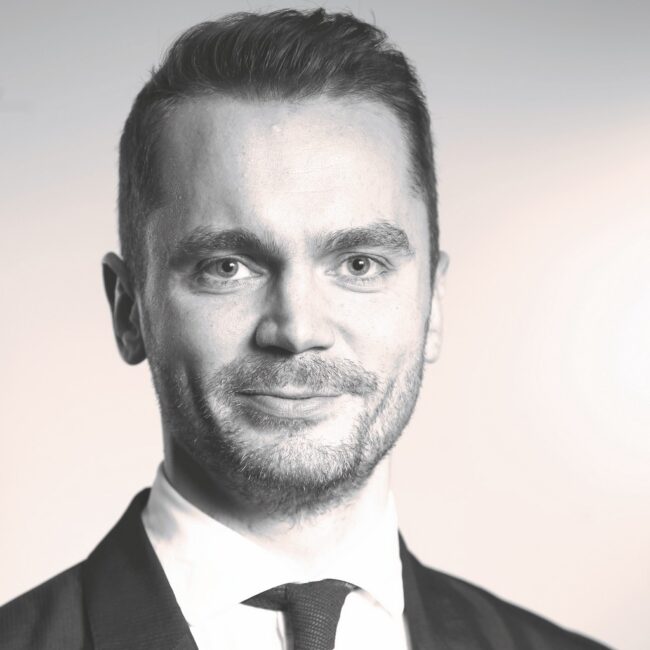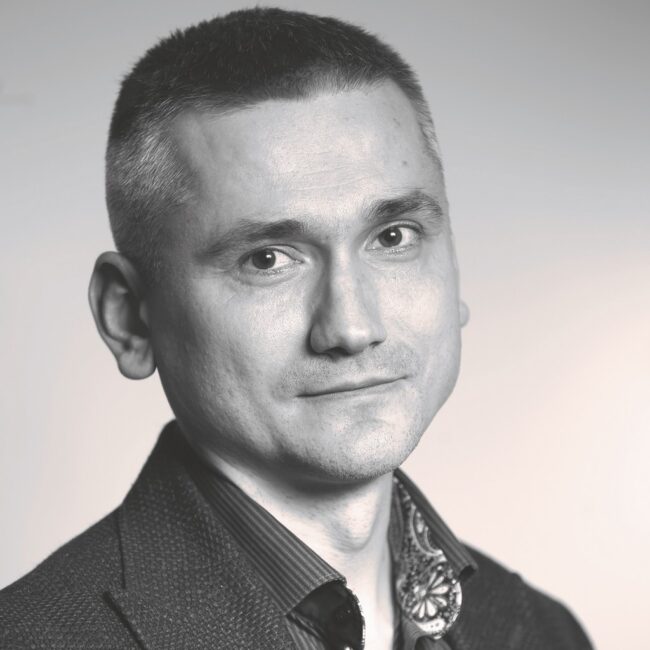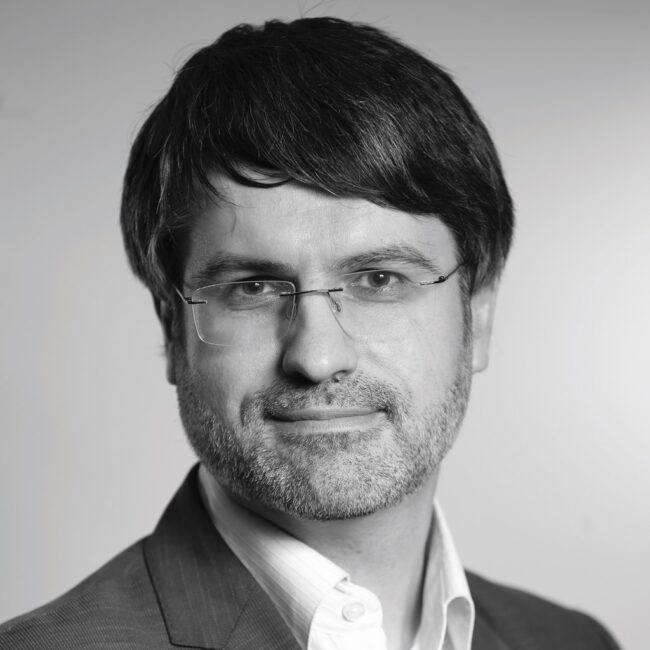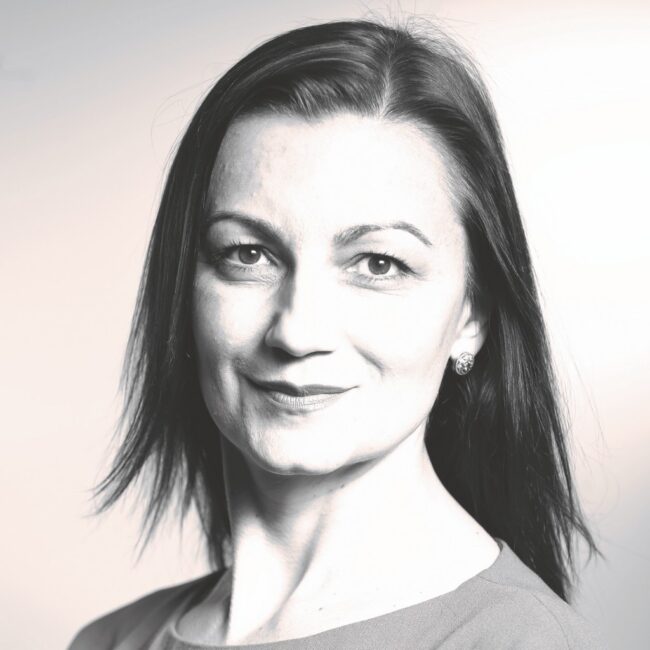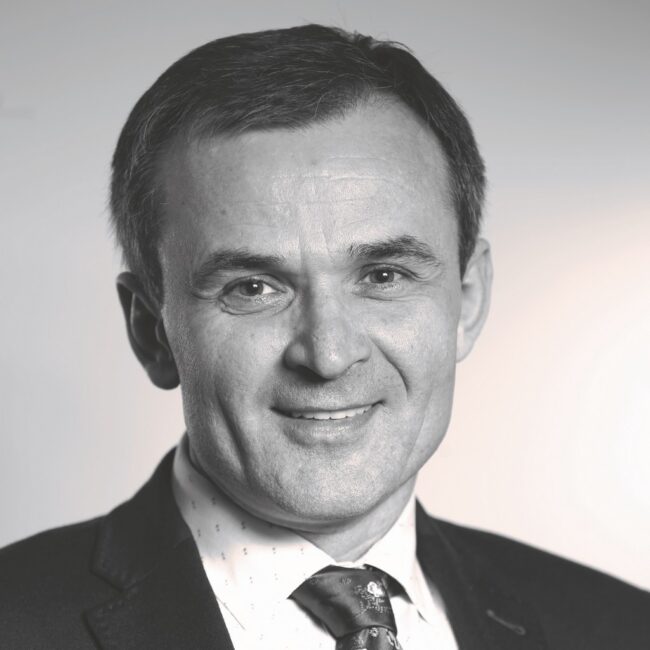
Taras Shepel
⚠️ Violation Context
Recognition of Crimea as part of the Russian Federation violates fundamental principles of international law and Ukrainian sovereignty:
International Law Violations:#
UN General Assembly Resolution 68/262 (March 27, 2014) – Affirms Ukraine’s territorial integrity within its internationally recognized borders and calls upon all states not to recognize any alteration in the status of the Autonomous Republic of Crimea and the city of Sevastopol.
Budapest Memorandum on Security Assurances (1994) – Provides security assurances to Ukraine, including commitments to respect its independence, sovereignty, and existing borders.
UN Charter Principles (Article 2(1) and 2(4)) – Establish sovereign equality of states and prohibit the threat or use of force against the territorial integrity or political independence of any state. Acquisition of territory by force is inadmissible under international law.
Ukrainian Law Violations:#
Constitution of Ukraine, Article 2 – Declares Ukraine a sovereign and independent state and establishes that its territory within its present borders is indivisible and inviolable.
Constitution of Ukraine, Articles 73, 133–134 – Provide that any change in the territory of Ukraine must be decided exclusively by an all-Ukrainian referendum and define the Autonomous Republic of Crimea as an integral part of Ukraine.
Law of Ukraine “On Ensuring the Rights and Freedoms of Citizens and the Legal Regime on the Temporarily Occupied Territory of Ukraine” – Establishes that Crimea remains Ukrainian territory under temporary occupation.
Criminal Code of Ukraine, Article 110 – Criminalizes intentional actions aimed at changing the boundaries of Ukraine’s territory or state border in violation of the Constitution.
Significance of Position:#
Shepel’s profile is among the most directly documented cases in this site’s PIC series. During the 2016–2017 competition for Supreme Court positions, Shepel — together with Zhernakov, Maslov and Sokolenko — co-signed an official PIC dissenting opinion flagging that the relatives of a judicial candidate had repeatedly crossed the border of the Russian Federation. The opinion stated that, prior to the interview, it had not been possible to disprove this information or establish objective reasons for these trips, treating such crossings as a matter requiring explanation. This document establishes a verifiable, dated, signed record of Shepel treating travel to Russia as presumptive grounds for integrity concern — a methodology that:
- Treats the Russian Federation as a foreign jurisdiction whose entry requires justification from Ukrainian public officials;
- Implicitly extends the same framework to Russian-controlled Crimea;
- Constitutes direct personal authorship of a document embedding this logic in official PIC procedure;
- Undermines Ukraine’s sovereignty by normalizing Russian territorial control as an operative legal category within Ukraine’s own judicial oversight process.
👤 Biography & Current Position
Taras Shepel#
Ukrainian Advocate, Co-founder of DEJURE Foundation, Head of Arbitration Chamber of Ukraine, Member of the Public Integrity Council (Both First and Second Compositions)
Taras Shepel (Шепель Тарас Петрович) is a Ukrainian advocate, arbitration specialist, co-founder of the DEJURE Foundation, and Head of the Arbitration Chamber of Ukraine. He served as a member of the Public Integrity Council (PIC / ГРД) across both its first (2016–2018) and second (2018–2020) compositions, making him one of ten PIC members who participated throughout the Council’s entire foundational four years.
Among the figures documented on this site, Shepel occupies a position comparable to Roman Maselko and Mykhailo Zhernakov: a DEJURE co-founder, a four-year PIC veteran, and a figure who accumulated multiple institutional roles in Ukraine’s judicial reform architecture while generating significant public criticism. His profile is distinct in one critical respect: during the 2016–2017 Supreme Court competition, he co-signed an official PIC dissenting opinion that explicitly framed repeated crossings of the Russian border by a judicial candidate’s relatives as an integrity matter requiring justification — a documented, signed record of personally applying the logic that underlies this site’s documentation of PIC-related territorial recognition.
Education and Professional Background#
Shepel graduated with a Master of Law from the Faculty of Law of Taras Shevchenko National University of Kyiv (1993–1998). He worked as a lawyer from 1998, spending more than a decade at “International Legal Service,” where he rose to partner. He received his advocate’s certificate (No. 1764) from the Kyiv City KDKA on July 25, 2002 — a credential registered at the Striletska 7/6 address that would later become DEJURE’s headquarters.
He defended a Candidate of Juridical Sciences dissertation in 2016 — the same year he co-founded DEJURE. He heads the Permanent Arbitration Court at the Ukrainian National Committee of the International Chamber of Commerce (since 2011) and chairs the Arbitration Chamber of Ukraine — the self-governance body of Ukraine’s arbitration judiciary — having been elected Deputy Head at the All-Ukrainian Congress of Arbitration Judges in March 2012 and subsequently elevated to Head.
DEJURE Foundation Co-Founder#
In 2016, Shepel co-founded the DEJURE Foundation alongside Mykhailo Zhernakov and Roman Kuibida. DEJURE rapidly became Ukraine’s most influential judicial reform NGO, combining legislative advocacy, integrity assessment methodology, and monitoring of the HQCJ and HCJ. The three co-founders simultaneously served as PIC members, giving DEJURE direct institutional access to both the development and application of judicial integrity criteria.
The organization’s registered office at Striletska 7/6, Kyiv, has been noted in investigative sources as corresponding to an apartment belonging to Shepel Liubov Fedorivna, not a commercial premises. Shepel does not appear in state registers as the owner of that property.
Role in the Public Integrity Council (2016–2020)#
Shepel was elected to the first composition of the PIC in November 2016, delegated by the All-Ukrainian Civic Platform “Nova Kraina” — the same platform that delegated Roman Sukhostavets and Volodymyr Mishchenko. He was re-elected to the second composition in December 2018 through the same delegation, serving until December 16, 2020.
The Russia-Border Dissenting Opinion#
The most directly documented instance of Shepel’s application of Russia-related territorial logic within the PIC is a formal dissenting opinion from the 2016–2017 Supreme Court competition, co-signed by Shepel, Mykhailo Zhernakov, Maslov, and Natalia Sokolenko. The opinion concerned a judicial candidate whose relatives had allegedly made repeated border crossings into the Russian Federation. The document stated that, prior to the scheduled interview, it had not been possible to disprove this information or establish objective reasons for these trips — and treated this as a matter of integrity concern.
This document is significant for several reasons:
- It is a dated, signed, published official PIC record — not an informal statement or reconstructed inference;
- It explicitly frames repeated travel to the Russian Federation by a Ukrainian official’s relatives as requiring official justification to resolve an integrity question;
- This framing treats Russia as a foreign jurisdiction to which entry is presumptively suspicious for persons subject to Ukrainian integrity oversight;
- The same logic, applied to Crimea under Russian control since 2014, produces the Crimea-related assessments that are the central subject of this site’s documentation;
- Shepel’s personal co-authorship of this document makes his endorsement of this territorial logic individually verifiable and institutionally recorded — distinguishing his case from PIC members whose involvement is inferred from collective votes.
Judicial Integrity Criteria and Crimea-Related Assessments#
Within the PIC’s broader methodology applied during Shepel’s tenure, negative integrity conclusions were issued against judges who visited Crimea after 2014, resided there, maintained family ties on the peninsula, owned property there, or were connected to activities interpreted as engagement with the territory under Russian control. The Russia-border dissenting opinion demonstrates that Shepel applied precisely the same underlying logic — treating proximity to Russian jurisdiction as an integrity concern requiring justification — to mainland Russian travel as well, extending the methodology beyond Crimea.
HQCJ Candidacy (2023)#
In May 2023, Shepel underwent interviews at the High Council of Justice as a candidate for appointment to the High Qualification Commission of Judges (HQCJ / ВККС). The Selection Commission, which included international experts, had recommended him. However, the High Council of Justice rejected his candidacy by a vote of 12 to 1.
Two HCJ members recused themselves: Roman Maselko (citing shared PIC membership and DEJURE co-founding with Shepel) and Serhiy Burlakov (whose sister had received a negative PIC conclusion to which Shepel had been a party in 2019).
During the interview, HCJ members raised concerns including undeclared income (discrepancy between private school fees for his son and declared earnings), and noted that while Shepel had been active in advocacy and arbitration since 2012, he had not personally represented clients in court since that year. The near-unanimous rejection by an institution whose membership included several reform-aligned figures underlines the breadth of institutional concerns about his integrity profile.
Controversies and Criticism#
Russian defense company representation. Investigative sources have identified Shepel as having represented the interests of a Russian defense company — a matter raised in the context of a potential conflict of interest regarding judicial candidate Vira Kovalska, whose integrity the PIC assessed. The PIC found no violations in her case, and Shepel’s role in that outcome has been a subject of criticism.
DUI conviction (2010). A Kyiv court found Shepel guilty of driving under the influence following a road accident and imposed an administrative fine. Critics argue this conduct is inconsistent with his role as a public integrity assessor.
DEJURE address irregularity. The Foundation’s registered premises corresponds to a private apartment not owned by Shepel, raising questions about organizational transparency.
Undeclared income concerns. Questions raised during the 2023 HQCJ interview process about unexplained discrepancies between Shepel’s declared income and household expenditures remain unresolved in public sources.
Second wife’s Moscow residency. Investigative sources note that Shepel’s second wife resided in Moscow — a biographical detail that critics find incongruous with his role as a judicial integrity assessor applying Russia-connection criteria to judges and candidates.
HQCJ candidacy rejection. The 12–1 rejection by the HCJ despite the Selection Commission’s recommendation placed Shepel in a small group of reform-aligned candidates deemed insufficiently credible for the HQCJ by the HCJ’s current membership.
Summary#
Taras Shepel is one of the most institutionally consequential figures in this site’s PIC series — a DEJURE co-founder, four-year PIC veteran, and Chair of Ukraine’s Arbitration Chamber whose influence over the judicial reform ecosystem spanned both institutional assessment and organizational advocacy.
His personal co-authorship of a formal PIC document treating relatives’ travel to the Russian Federation as a presumptive integrity concern — requiring justification before it can be ruled out — constitutes a verifiable, signed record of applying the same territorial logic that underlies Crimea-related integrity assessments. This documented instance, combined with his central role in DEJURE and the PIC across both compositions, makes his institutional endorsement of the Russia/Crimea-recognition methodology uniquely traceable and personally attributable.
The accumulation of integrity concerns about Shepel himself — the DUI conviction, questions about undeclared income, the defense company representation, the HQCJ rejection — creates a particular irony: a central figure in Ukraine’s judicial integrity architecture whose own integrity profile has been publicly questioned across multiple institutional forums.
ℹ️ What Else We Know
Professional Activities#
- Head of the Arbitration Chamber of Ukraine (Третейська палата України) — the self-governance body of Ukraine’s arbitration judges; he previously served as Deputy Head from March 2012 (elected at the All-Ukrainian Congress of Arbitration Judges). He is also Head of the Permanent Arbitration Court at the Ukrainian National Committee of the International Chamber of Commerce (from March 2011).
- Advocate, holder of Certificate No. 1764 issued by the Kyiv City KDKA on July 25, 2002, with a working address registered at Striletska 7/6 — an address shared with the DEJURE Foundation.
- From 2000 to 2012, worked as a lawyer and partner at “International Legal Service” firm; from 2012, founded and heads the “First Specialized Association of Advocates in Civil, Criminal and Commercial Cases.”
- Co-founder of DEJURE Foundation (2016) — the reform advocacy organization whose other co-founders, Mykhailo Zhernakov and Roman Kuibida, also served in the PIC.
- Candidate of Juridical Sciences (PhD equivalent, 2016).
- Member of the Ukrainian Bar Association and Union of Lawyers of Ukraine.
- Author of more than 40 publications in legal and business journals.
- In May 2023, Shepel was a candidate for appointment as a member of the High Qualification Commission of Judges (HQCJ / ВККС). The Selection Commission recommended his appointment, but the High Council of Justice voted against him 12 to 1. Notably, Roman Maselko and Serhiy Burlakov recused themselves from the vote: Maselko due to prior joint PIC membership and co-founding DEJURE, and Burlakov because his sister (a judge) had received a negative PIC conclusion to which Shepel had been a party.
Crimea-related conduct: During the 2016–2017 Supreme Court competition, Shepel — alongside Mykhailo Zhernakov, Maslov, and Natalia Sokolenko — co-signed a formal PIC dissenting opinion stating that relatives of a judicial candidate had repeatedly crossed the border of the Russian Federation and that objective justifications for these trips had not been established. This document constitutes a dated, signed, published record of Shepel personally applying a methodology that frames Russia — and by implication, Russian-controlled Crimea — as a foreign jurisdiction requiring official justification for entry.
Controversies and Criticism#
Russian defense company representation. Shepel has been identified in investigative sources as having represented the interests of a Russian defense company — a matter critics describe as incompatible with his role as a judicial integrity watchdog. This connection was flagged in the context of a potential conflict of interest regarding judicial candidate Vira Kovalska, whose integrity was assessed by the PIC while this representation had allegedly occurred.
DUI conviction (2010). On October 14, 2010, the Shevchenkivskyi District Court of Kyiv found Shepel guilty of driving under the influence (Article 130(1) of the Code of Ukraine on Administrative Offences) and imposed a fine of 2,550 UAH. Shepel was involved in a road accident on Melnikov Street in Kyiv and was referred for sobriety testing.
DEJURE office address irregularity. The DEJURE Foundation’s registered office at Striletska 7/6 corresponds not to a commercial premises but to an apartment belonging to Shepel Liubov Fedorivna — a fact noted by investigative sources. Shepel himself does not appear in state registers as owner of that property.
Undeclared income concerns. During the 2023 HQCJ candidacy interviews, members of the High Council of Justice raised concerns that Shepel may not have declared all income. Specifically, HCJ members noted that his son’s private school tuition in 2021 amounted to 180,000 UAH, while his declared income that year was 543,000 UAH — and that in 2022 he reportedly lived on prior savings, resulting in his son transferring to a state school.
Personal connections to Moscow. According to investigative sources, Shepel’s second wife (Karmen Aminat Akhmedivna, born 1991) resided in Moscow at the time relevant information was compiled.
HQCJ candidacy rejected by wide margin. Despite the Selection Commission’s recommendation, the High Council of Justice rejected his HQCJ candidacy in June 2023 by 12 votes to 1. The near-unanimous rejection by a body that had recommended several other reform-aligned candidates underlines the breadth of institutional concerns about his profile.
📅 Career Timeline
International Legal Service (Міжнародна юридична служба) — Kyiv, Ukraine
Ukrainian National Committee, International Chamber of Commerce — Kyiv, Ukraine
First Specialized Association of Advocates — Kyiv, Ukraine
Arbitration Chamber of Ukraine (Третейська палата України) — Kyiv, Ukraine
DEJURE Foundation — Kyiv, Ukraine
Public Integrity Council (PIC / ГРД), representing All-Ukrainian Civic Platform 'Nova Kraina' — Kyiv, Ukraine
Public Integrity Council (PIC / ГРД), representing All-Ukrainian Civic Platform 'Nova Kraina' — Kyiv, Ukraine
High Qualification Commission of Judges selection process — Kyiv, Ukraine